
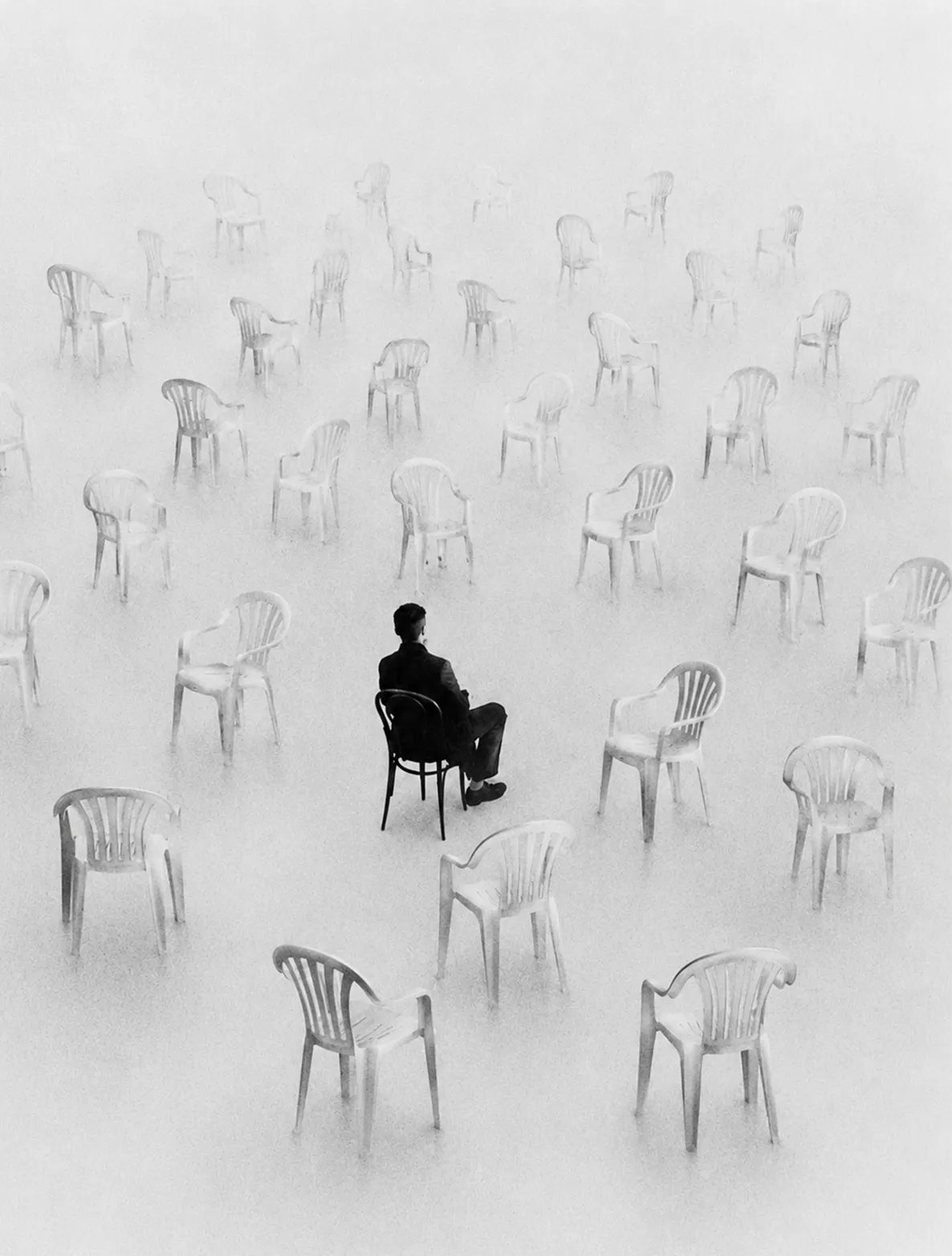
Something curious has been happening in the design world for a while now: a general unification of visual style is taking over. You can see it in the strict guidelines of digital product design, in the trends dictated by social media, and in whatever the algorithm happens to like. Faced with that landscape, we end up assuming there’s a manual for how to look serious, professional, human, or fun. A manual we all follow out of fear of looking weird or out of place.
At the studio, we’ve had a few experiences that left a mark on our professional path. They were clear examples of how trends seep into the perception of people looking for design: clients who come in asking for “their own identity, something original,” but when proposals actually break the mold, rejection sets in. In the end, the final choice usually looks a lot like what everyone else is already doing.
Reference or photocopy?
We get it: references are excellent tools and triggers. But where’s the line between reference and imitation? We design for specific goals, and we know every niche has its own codes and language so the audience understands what’s going on. But does that mean we always have to design under the wing of what “everyone uses”?
We’re surrounded by a constant visual landscape. What we consume on Instagram, or the cultural products we choose, shapes us. There’s no avoiding it. Still, our value as designers is to help whoever hires us find a voice of their own. A voice that’s actually theirs, not an echo of whatever’s trending this month.
Conditioned perception
We’ve come across cases where the client’s visual environment is so saturated with generic content that perception itself slips out of place. They end up preferring an aesthetic that looks like “a PowerPoint your aunt made” over a professional solution built for the real market. When differentiation is seen as a threat, instead of a tool for growth, there’s not much you can do.
So we hug it out, we cry, we let them go, and we accept that we can’t rescue them. But we get to keep the peace of knowing our search is going somewhere else.